Garage Door Repair: How to Fix a Garage Door That Won’t Open
A garage door that refuses to open can quickly disrupt your day and highlight the need for prompt garage door repair. Whether you are heading to work, managing a rental property, inspecting a building, or overseeing commercial premises, a faulty door can cause inconvenience and raise security concerns. For homeowners, landlords, surveyors, and local authorities responsible for residential and commercial properties, understanding when to seek professional assistance and how to respond safely is essential.
Initial Safety Checks When Your Garage Door Won’t Open
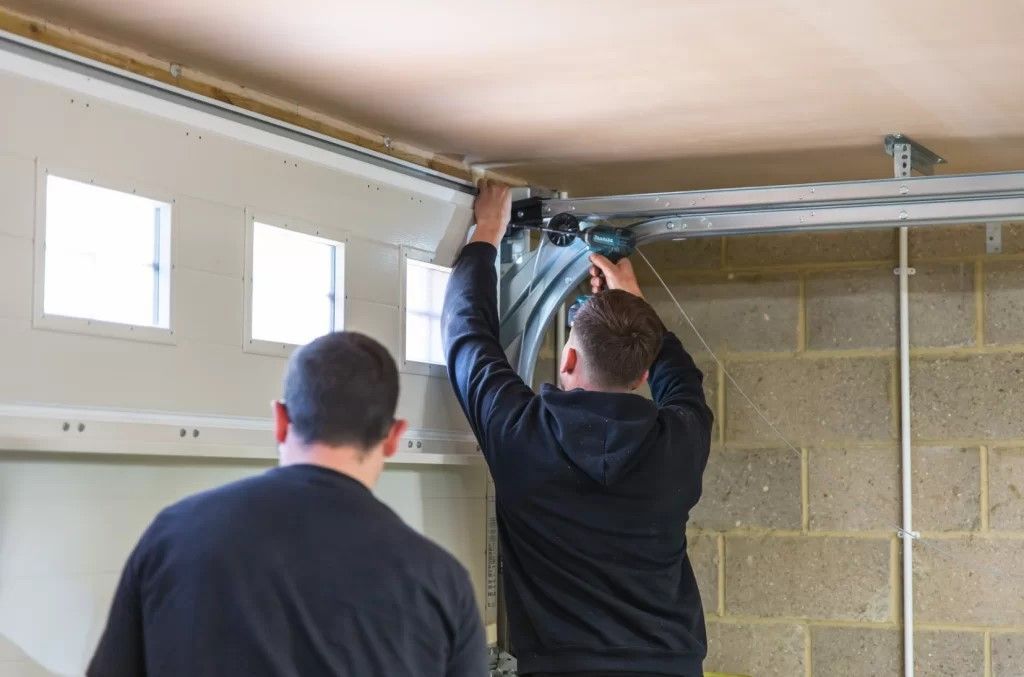
Before attempting any adjustments, prioritise safety and consider whether professional garage door repair may be required. Garage doors are heavy mechanical systems operating under significant tension, and components such as springs, cables, and tracks can cause serious injury if handled incorrectly. If your door fails to open, avoid forcing it, as this can worsen the fault and lead to further damage.
Start by checking the basics:
- Is there a power supply to the unit?
- Has the remote control battery failed?
- Is the manual lock engaged?
- Is there an obvious obstruction in the tracks?
If your property uses an electric system and the door does not respond at all, the problem may relate to the motor or control unit. In such cases, a qualified technician trained in garage door opener repair can safely diagnose electrical or mechanical faults without risking additional strain on the system.
If the door lifts slightly but stops or makes unusual noises, do not continue operating it. Grinding, snapping, or uneven movement may indicate spring tension problems or cable issues. These components are under significant pressure and should only be handled by trained professionals.
By performing careful visual checks without interfering with tension-based parts, you reduce the likelihood of further damage and protect the integrity of your property.
Common Causes of Garage Door Failure
Understanding why a door fails helps you respond more effectively. Many issues develop gradually before a complete breakdown occurs.
Broken Springs
Torsion and extension springs bear the weight of the door. Over time, wear and repeated use can cause them to snap. When this happens, the door may feel unusually heavy or refuse to lift entirely. A broken spring typically requires immediate professional attention.
Snapped or Loose Cables
Cables support the lifting mechanism and ensure balanced movement. If a cable slips or breaks, the door may hang unevenly or jam halfway. Continued use can damage tracks and rollers.
Track Misalignment
Bent or obstructed tracks can prevent smooth movement. Even small dents or debris build-up may stop the door from travelling correctly.
Motor or Sensor Faults
Automatic systems rely on sensors to detect obstacles. Misaligned sensors or internal motor problems can stop the door from opening or closing properly. When faults extend beyond minor adjustments, a specialist in garage door repair can identify the root cause efficiently.
When to Repair and When to Consider Replacement
Not every malfunction requires a full system upgrade. In many cases, targeted repairs restore safe and reliable operation. However, repeated breakdowns, severe structural damage, or outdated components may justify a broader solution.
For instance, if the door panel is warped, corroded, or significantly dented, repairing internal mechanisms alone may not be sufficient. In such circumstances, discussing garage door replacement options ensures long-term reliability and improved security.
Modern doors often include improved insulation, enhanced security features, and quieter mechanisms. This can be particularly valuable for landlords managing multiple properties or commercial sites where operational efficiency is essential.
That said, replacement should only be considered after a proper assessment. A professional evaluation ensures you make a cost-effective decision based on condition, usage frequency, and structural integrity.
The Importance of Professional Assistance
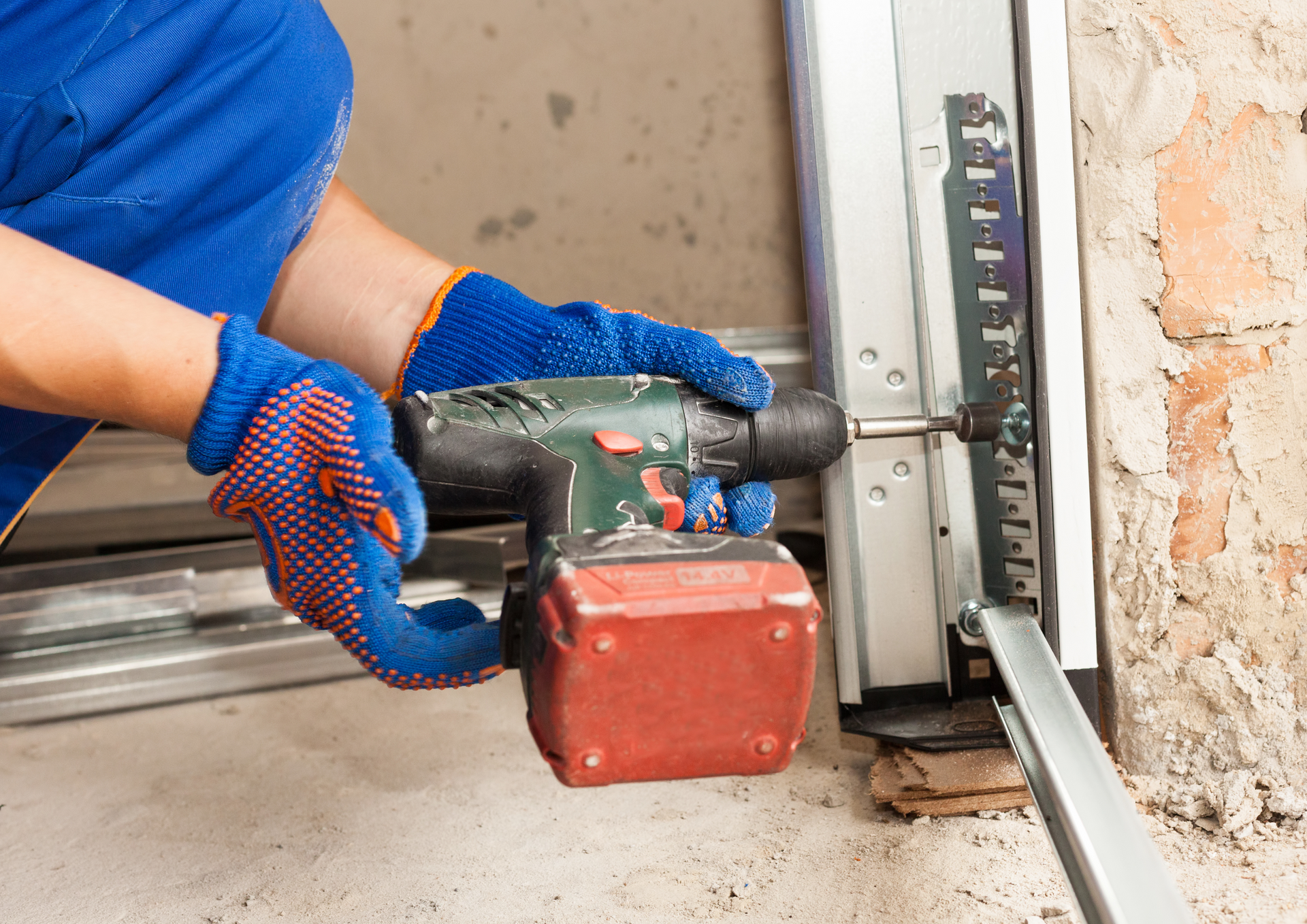
Attempting to repair high-tension components without proper training can cause injury or escalate the problem. While minor checks such as battery replacement or clearing debris are reasonable, complex mechanical faults require specialist tools and experience.
If your door has completely failed, is stuck in a partially open position, or poses a security risk, seeking emergency garage door repair ensures prompt stabilisation of the system. Quick intervention prevents further deterioration and restores safe access to your property.
Professionals assess:
- Spring balance and tension
- Cable integrity
- Track alignment
- Motor performance
- Safety sensor calibration
Searching for garage door repair near me may seem like the fastest solution during urgent situations, but choosing an experienced, reputable provider ensures both safety and lasting results.
Regular maintenance checks also reduce the risk of unexpected failure. Scheduled servicing extends component lifespan and minimises disruption for residential and commercial properties alike.
At
Garage Door Repair Leeds, we understand the practical demands faced by homeowners, landlords, surveyors, and local authorities. Our service is designed to be responsive, thorough, and straightforward.
We provide:
- Clear fault diagnosis without unnecessary upselling
- Skilled handling of both manual and automatic systems
- Prompt response times across Leeds and surrounding areas
- Support for residential and commercial properties
- Professional advice on maintenance and long-term care
Update on X:
Garage door repair solutions for doors that won’t lift properly.
You might also like