When Door System Faults Require Professional Automatic Garage Repair
Automatic garage doors provide convenient access to homes, rental properties, commercial buildings and other premises, but their combination of mechanical and electrical components means faults can occasionally develop. A door might begin moving more slowly than usual, stop partway through its travel, make unfamiliar noises or fail to respond to its controls altogether.
Determining the reason for these problems is not always straightforward. A symptom that appears to originate from the motor could instead relate to a sensor, track, roller, spring or another part of the operating system. Attempting repeated operation without identifying the underlying problem may place additional strain on affected components.
For homeowners, landlords, surveyors and local authorities responsible for residential and commercial properties, understanding when automatic garage repair may be appropriate can help prevent a developing fault from becoming more disruptive. Although this guide considers properties in Leeds, the same practical principles can be applied to automatic garage doors throughout the UK.
Recognising Signs That an Automatic Door System Is Developing a Fault
Automatic garage door problems do not always result in an immediate and complete breakdown. In many cases, changes in operation appear gradually, providing an opportunity to investigate the system before the door becomes unusable.
One noticeable sign is inconsistent movement. A door might open normally on one occasion but hesitate or stop on another. It may travel only part of the way before reversing, or it might require several attempts before responding. These changes can indicate that the operating system is encountering resistance or receiving information that prevents it from completing its normal cycle.
Unusual sounds also deserve attention. Automatic doors naturally produce some noise as rollers travel along tracks and the operating mechanism moves the door. However, grinding, scraping, repeated clicking or sudden knocking sounds can suggest that something has changed. Loose hardware, worn rollers, alignment problems or increased resistance may all influence the way the system sounds during operation.
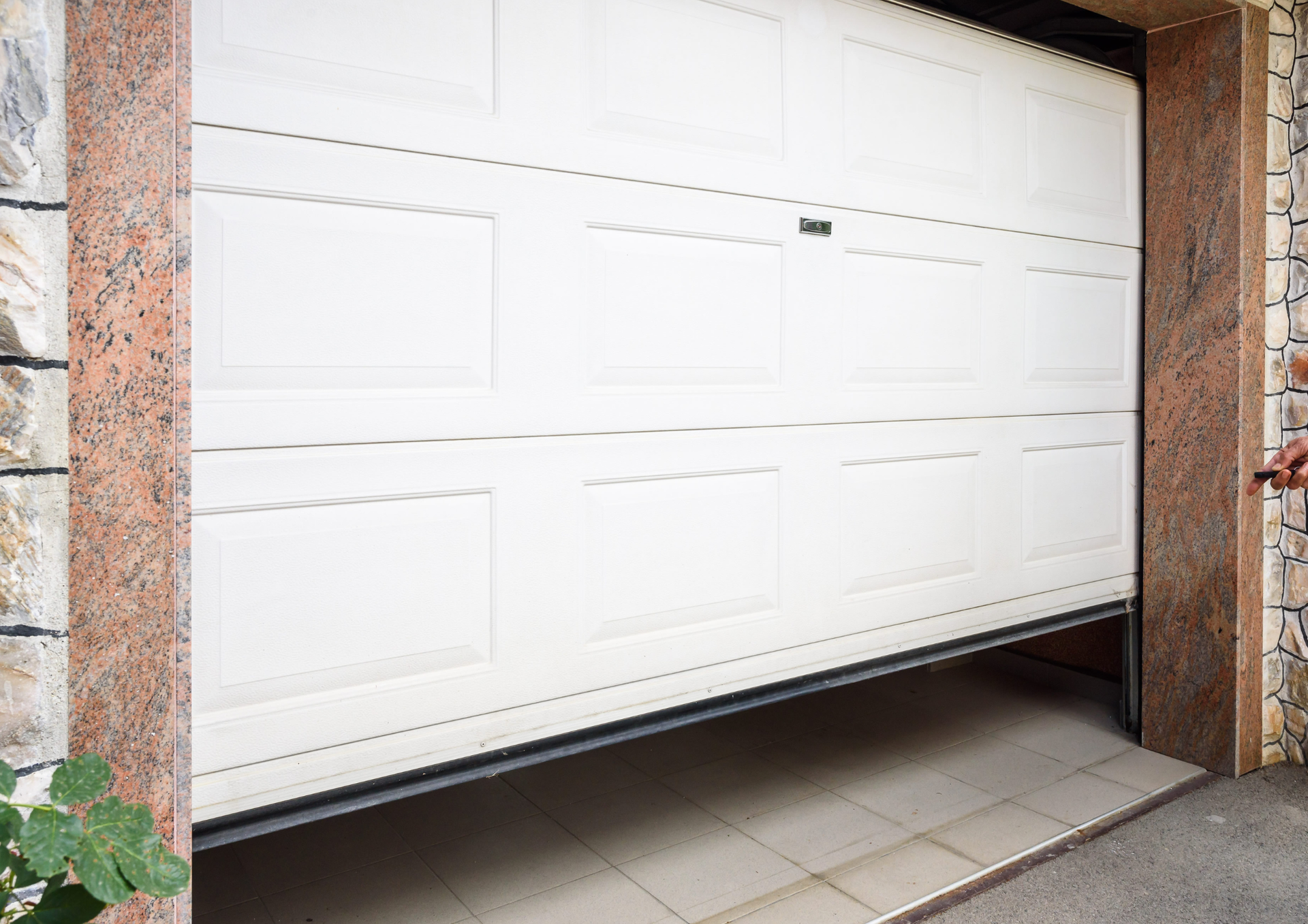
Another warning sign is uneven movement. One side of the door may appear to rise ahead of the other, or the door may look slightly tilted while moving. Because garage doors rely on several components working together, an imbalance can affect other parts of the system if it is ignored.
Controls can also provide clues. A remote that works intermittently may simply need attention itself, but repeated failure across different controls could point towards the receiver, power supply or operating unit. Similarly, a wall control that produces a response from the motor without corresponding door movement may indicate a mechanical problem elsewhere.
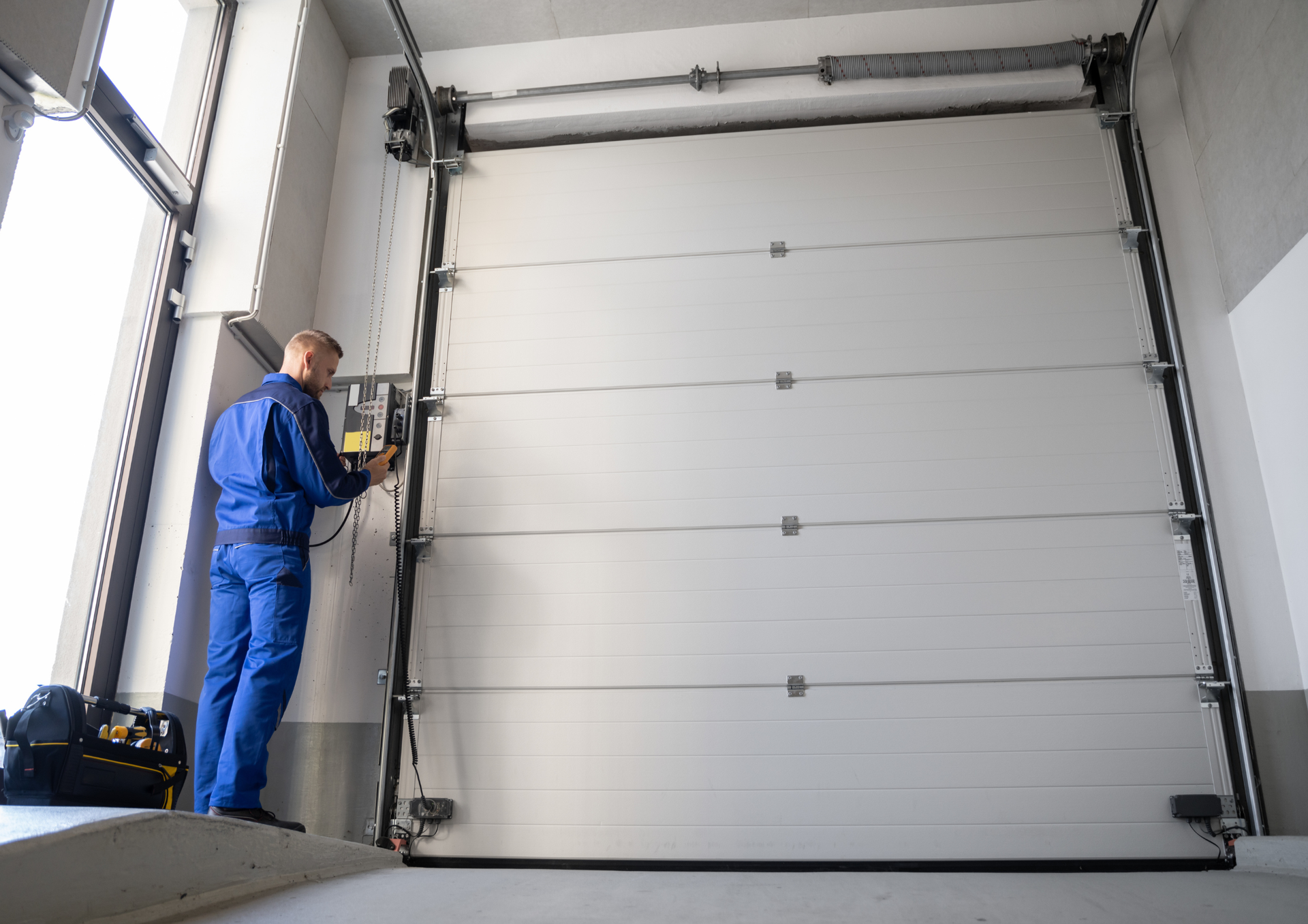
Where a powered system becomes unreliable, professional electric garage door repair can involve examining the relevant electrical and mechanical components rather than assuming the visible symptom identifies the cause. A systematic assessment is particularly useful because several faults can produce similar behaviour.
Changes should be considered in relation to the door's normal performance. Property owners who regularly use the same entrance are often well placed to notice slower operation, increased vibration or different sounds. Landlords and organisations responsible for premises may benefit from encouraging occupants or staff to report these changes rather than waiting until access is completely lost.
Weather and environmental conditions can also affect operation. Leeds experiences periods of rain, cold temperatures and changing conditions throughout the year. Moisture, accumulated debris and general exposure may contribute to deterioration, although the exact effect will depend on the design, age, location and maintenance history of the individual system.
The important point is not to diagnose complicated faults based on one symptom alone. Observing what has changed and arranging appropriate assessment where necessary can provide a clearer understanding of the problem.
Common Components That Can Affect Automatic Garage Door Operation
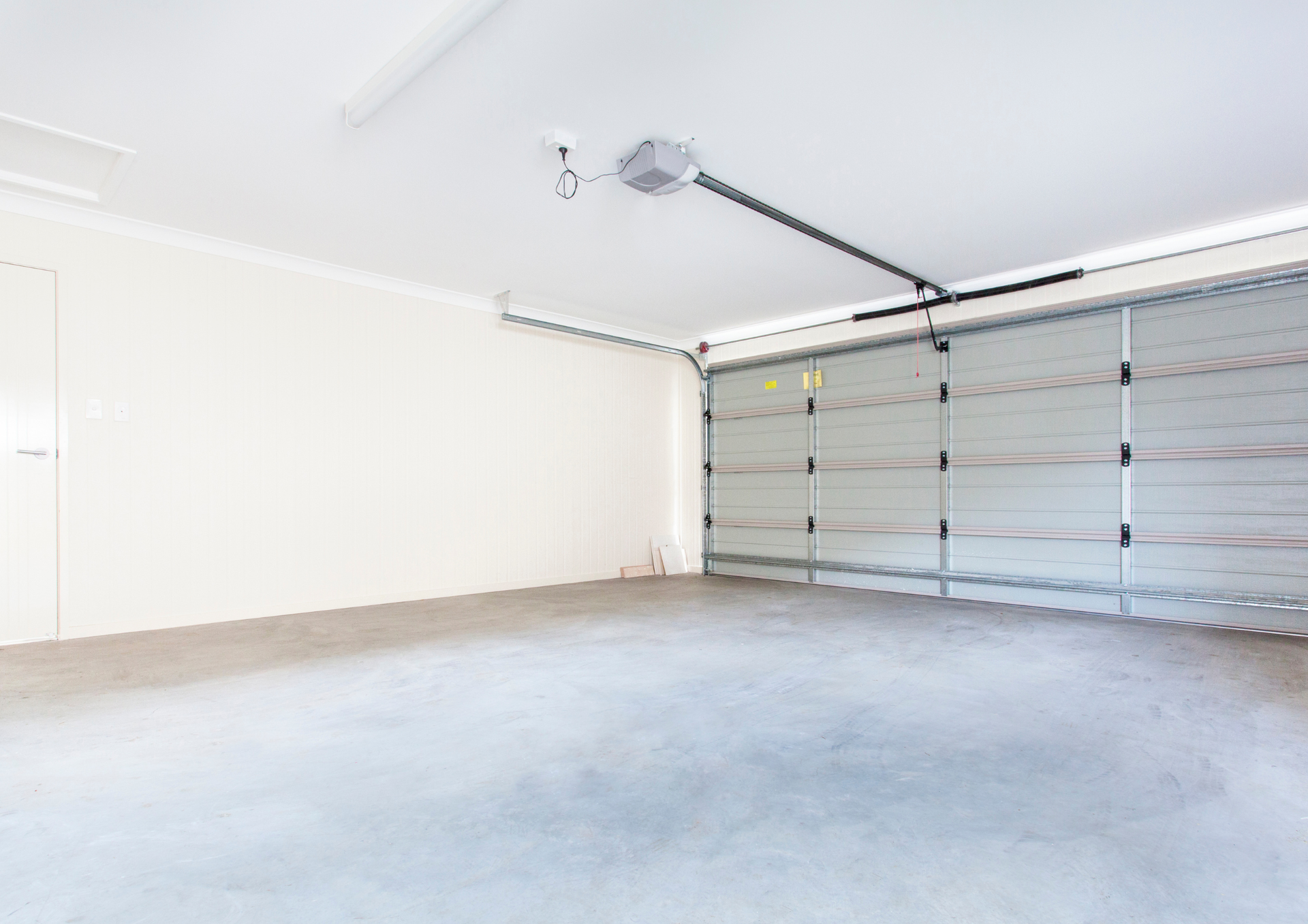
A powered garage door depends on several interconnected parts. Understanding their general roles can make it easier to recognise why a problem with one component may affect the performance of the entire system.
Some areas commonly considered when investigating faults include:
- Tracks and rollers: The door needs a clear and correctly aligned route along which to travel. Bent tracks, accumulated debris or deteriorated rollers may create resistance, unusual sounds or irregular movement.
- Springs and cables: These components assist with supporting and controlling the considerable weight of the door. Visible damage, unusual slackness or an obviously unbalanced door should not be treated as a straightforward DIY task because parts of the mechanism can be under substantial tension.
- Sensors: Depending on the system, sensors may help detect obstacles or influence safe operation. Dirt, movement or alignment issues can sometimes prevent the door from completing its expected travel.
- Motor and drive mechanism: Wear or internal faults may result in slow movement, intermittent operation or a motor that appears to run without moving the door correctly.
- Remote and wall controls: Batteries, buttons, receivers and communication problems can affect whether commands reach the operating mechanism as intended.
- Connections and power supply: Loose connections or interruptions to the electrical supply can sometimes create intermittent behaviour that may initially appear to be a mechanical failure.
A professional assessment of these areas can help determine whether automatic garage door repair is required and which component is actually responsible. Replacing parts without establishing the underlying cause may fail to resolve the original problem.
The overall condition of the door itself should also be considered. Damaged panels, distorted sections or physical changes to the structure can increase resistance and affect the operating mechanism. A motor designed to move a correctly balanced door may struggle if other components are no longer functioning as intended.
Maintenance history can provide useful context. A relatively new installation that suddenly develops a fault may require a different approach from an older system that has gradually become noisy and inconsistent. Frequency of use also matters because a door serving busy commercial premises may complete far more operating cycles than one attached to a private residential garage.
For surveyors, landlords and local authorities, keeping basic maintenance and fault records can make recurring patterns easier to identify. If the same problem repeatedly develops despite previous attention, a broader assessment of the system may be more appropriate than continuing to address individual symptoms.
When Professional Assessment Becomes the Safer Approach
There are basic observations that property owners can make without interfering with the mechanism. Checking whether the power supply is available, looking for obvious objects blocking the doorway and observing whether a remote control appears functional can provide useful information.
More intrusive investigation should be approached differently. Garage doors can be heavy, and components associated with supporting or controlling their weight may be under significant tension. Removing parts or attempting adjustments without suitable knowledge can create unnecessary risk.
Professional assistance should be considered in situations such as:
- The door is hanging unevenly or appears to have moved away from its normal alignment.
- A spring or cable looks damaged, loose or broken.
- The motor operates but the door does not move correctly.
- The door repeatedly stops, reverses or becomes stuck during travel.
- Grinding, scraping, knocking or other unfamiliar sounds have developed.
- The system operates unpredictably despite simple checks.
- Physical damage has affected panels, tracks or surrounding components.
- The door cannot be left securely in its normal closed position.
- A previous problem continues to return after temporary adjustments.
- There is uncertainty about whether the fault is electrical or mechanical.
Where these symptoms occur, automatic garage door repair should focus on identifying the reason for the abnormal operation before deciding which work is appropriate. The objective is not simply to make the door move again but to understand whether its components are functioning together correctly.
Repeatedly activating a struggling door is generally unhelpful. If resistance exists somewhere in the mechanism, continued attempts may place additional demand on the motor, drive system or other components. Similarly, forcing a door manually without understanding why it has become stuck could worsen existing damage.
The requirements of residential and commercial premises may also differ. A household garage might be used several times each day, while doors serving workshops, communal buildings or other commercial properties can experience considerably greater usage. The number of operating cycles, door dimensions and importance of uninterrupted access can therefore influence maintenance decisions.
An assessment can also establish whether continued repair remains practical. Individual components can often be addressed, but there may come a point where the overall condition or age of a system makes further work less appropriate.
When an existing arrangement has reached the end of its practical service life, automatic garage door installation may be considered after reviewing the dimensions, intended use, access requirements and characteristics of the property. This decision should be based on the individual circumstances rather than assuming that every significant fault requires an entirely new system.
Deciding Between Repairing an Existing System and Wider Work
A faulty automatic door does not automatically need to be replaced. Many problems are associated with individual components that can be addressed while the remainder of the system continues to perform satisfactorily.
The decision should begin with the overall condition of the installation. If the door remains structurally sound and most components are operating normally, dealing with a specific fault may provide a proportionate solution. The age of the system alone does not necessarily determine what should happen next.
Recurring problems require closer consideration. A door that needs attention repeatedly within a relatively short period may have several worn components or an underlying issue that has not yet been identified. Looking at the complete operating arrangement can help establish whether continuing with individual repairs is sensible.
Availability and compatibility of parts may also influence the decision. Older systems can sometimes use components that are no longer commonly available. Where suitable replacements cannot be sourced or where several major parts are deteriorating simultaneously, broader work may become more practical.
The physical condition of the door matters as much as the operating equipment. Corrosion, substantial panel damage, distortion or deterioration around mounting points can influence how effectively a repaired mechanism performs. Restoring one component cannot compensate for significant problems elsewhere in the structure.
Property use should also form part of the assessment. Residential owners may prioritise dependable everyday access and convenient operation, while landlords need to consider the needs of occupants. Commercial property managers and local authorities may be responsible for doors that serve operational areas, storage buildings or frequently accessed premises.
For properties in Leeds, building types can vary considerably, from traditional residential garages to modern developments and commercial units. There is therefore no single solution suitable for every door. Age, construction, frequency of use, exposure and previous maintenance should all be considered.
Where the existing door remains suitable but the powered mechanism has developed a specific problem, automatic garage door repair can provide a focused approach without undertaking unnecessary wider work. A careful diagnosis helps ensure that decisions reflect the actual condition of the system rather than simply its most obvious symptom.
Preventative attention can also reduce the likelihood of sudden disruption. Keeping tracks clear of obvious debris, paying attention to changes in sound and movement, and arranging assessment when unusual behaviour develops can help faults receive attention before they become more extensive.
Owners and property managers should also avoid assuming that continued operation means the system is in good condition. A door may still open and close while showing early signs of wear. Changes in speed, balance, sound or responsiveness can provide useful indications that attention is appropriate.
Garage Door Repair Leeds provides practical support for residential and commercial property owners dealing with faults affecting powered garage door systems. We understand that a door problem can interfere with access, security and the normal use of a property, so our approach focuses on careful assessment and clear communication.
Rather than assuming that a particular symptom automatically requires a specific part, we consider how the different components are working together. The condition of the door, operating mechanism, tracks, controls and associated parts can all provide important information when determining what attention may be appropriate.
For homeowners, landlords, surveyors and local authorities throughout Leeds, we aim to provide straightforward guidance based on the individual circumstances of the property. From investigating unusual operation to assessing recurring faults, our focus is on helping customers understand the condition of their system and make informed decisions about the work it may require.
Check out our latest X update on when door system faults require professional
automatic garage door repair!
You might also like