Why Homeowners May Need 24 Hour Garage Door Repair After Faults
A garage door fault can occur unexpectedly and create immediate difficulties for homeowners, landlords and those responsible for managing residential or commercial properties. A door that becomes stuck, drops unevenly or refuses to close can affect access, security and the safe use of a garage. In some circumstances, arranging 24 hour garage door repair can provide a practical way to have the problem assessed without waiting until normal working hours.
Garage doors contain several interconnected components, including springs, cables, rollers, tracks, hinges and opening mechanisms. A problem with one part can affect the operation of the entire system. Recognising the signs of a potentially serious fault and avoiding unnecessary attempts to force the door can help prevent additional damage.
For properties in Leeds and elsewhere, the appropriate response will depend on the type of door, the nature of the fault and whether the problem creates an immediate safety or access concern. Understanding these factors can make it easier to decide what action should be taken.
Recognising Garage Door Problems That Should Not Be Ignored
Not every garage door problem develops gradually. A door may appear to work normally before suddenly becoming difficult or impossible to operate. Understanding some of the warning signs can help property owners determine whether the system should remain unused until it has been professionally assessed.
Common indications of a developing problem include:
- Unusual noises during operation: Grinding, scraping, banging or clicking sounds can suggest that a component is worn, loose or incorrectly aligned. A sudden change in the normal operating sound deserves attention.
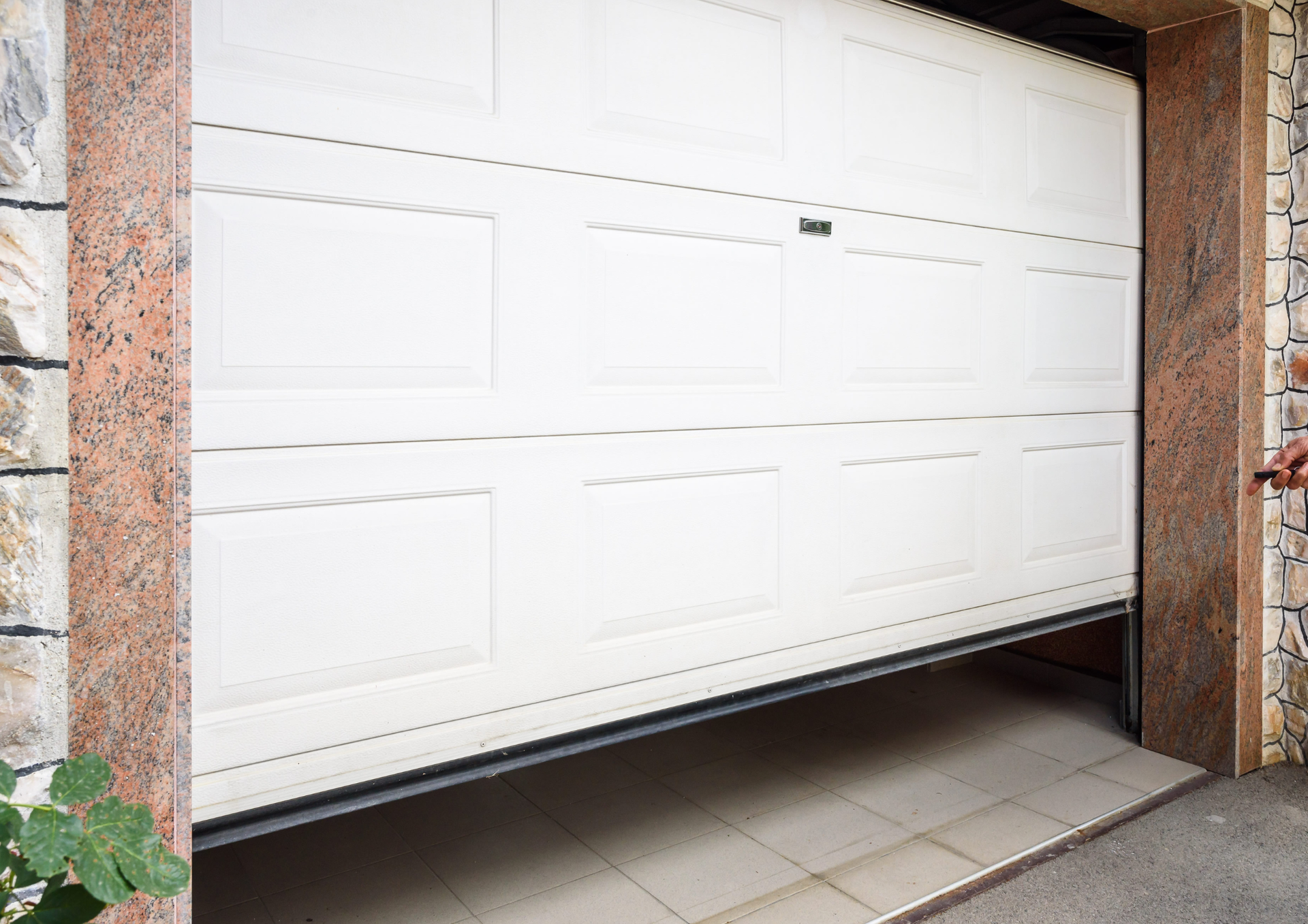
- Uneven movement: A door that rises more quickly on one side or appears tilted may have a cable, spring, roller or track problem. Continuing to operate an uneven door can place additional strain on other components.
- A door that stops part-way: Intermittent movement may be connected to the opening mechanism, sensors, tracks or other mechanical parts. Repeatedly attempting to operate the system may make the underlying fault worse.
- Visible cable or spring problems: Loose cables, damaged springs or components that appear to have moved from their normal positions should not be handled without appropriate knowledge and equipment.
- Unexpected movement: A door that drops, reverses direction unexpectedly or moves without operating normally should be treated cautiously. Keeping people and vehicles away from the area is sensible until the cause is identified.
For a homeowner, the inability to secure a garage may become particularly concerning overnight. Landlords may face similar difficulties when a tenant reports a sudden fault outside standard working hours. Commercial premises can also be affected where a garage door provides routine access for vehicles, equipment or deliveries.
Where a problem cannot reasonably be left until the following working day, 24 7 garage door repair may provide access to professional assessment at a more suitable time. The technician can examine the system, identify the likely cause and determine what work is appropriate.
Trying to force a door open or closed is generally best avoided. Garage doors can be extremely heavy, while springs and cables operate under substantial tension. A visual check from a safe position may help identify an obvious obstruction, but dismantling or adjusting tensioned components should be left to someone with suitable experience.
Why a Fault Can Become an Urgent Property Issue
A faulty garage door is not simply an inconvenience. Depending on the circumstances, it can affect access, security and the practical management of a property.
One of the most common concerns is a door becoming stuck in the open position. An open garage may leave belongings, equipment or internal access points more exposed than usual. Where the garage connects directly to a house or another part of a building, restoring normal operation can become a priority.
A door that is stuck closed creates a different set of difficulties. A vehicle may be trapped inside when it is needed for work, appointments or other commitments. Commercial properties may experience disruption if vehicles, machinery or stored materials cannot be accessed as planned.
Landlords and property managers have additional considerations. A tenant may report a fault at any time, and the condition of the door may need to be assessed before normal use can continue. Surveyors and local authorities responsible for properties may similarly need to establish whether a defective system presents a practical or safety concern.
Weather can add to the problem. A partially open or damaged door can expose a garage to wind and rain, while strong weather conditions may place additional pressure on already damaged panels, tracks or fixings. Responding promptly can therefore help limit the possibility of further deterioration.
People faced with an unexpected problem may search for 24 hour garage door repair near me because the timing and location of assistance become particularly important when a door cannot be secured or safely operated. The priority should be finding suitable professional support rather than repeatedly attempting to operate a defective mechanism.
An urgent response does not necessarily mean every component needs replacing. In many cases, an inspection can identify a specific mechanical or electrical problem. The appropriate solution might involve realigning components, replacing a worn part, addressing an opener fault or temporarily making the door safe until more extensive work can be completed.
What to Expect When Professional Assistance Arrives
Professional assessment normally begins with establishing what happened immediately before the fault occurred. Knowing whether the door stopped suddenly, made an unusual sound, became uneven or failed to respond to the controls can provide useful information.
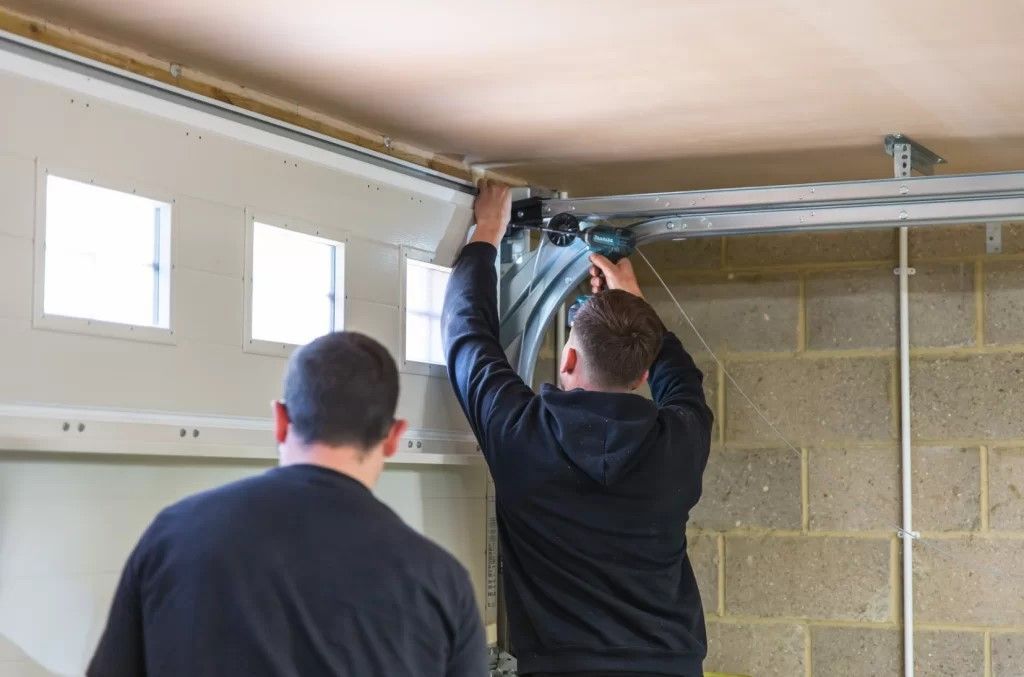
A technician may then inspect the major components of the system, including the springs, cables, tracks, rollers, hinges, panels and opening equipment. The exact checks will depend on the door design and symptoms reported.
The purpose of the assessment is to determine the underlying cause rather than simply restore movement temporarily. For example, a door that has moved out of alignment may have an issue with a roller or cable. Correcting only the visible alignment without addressing the original cause could result in the problem returning.
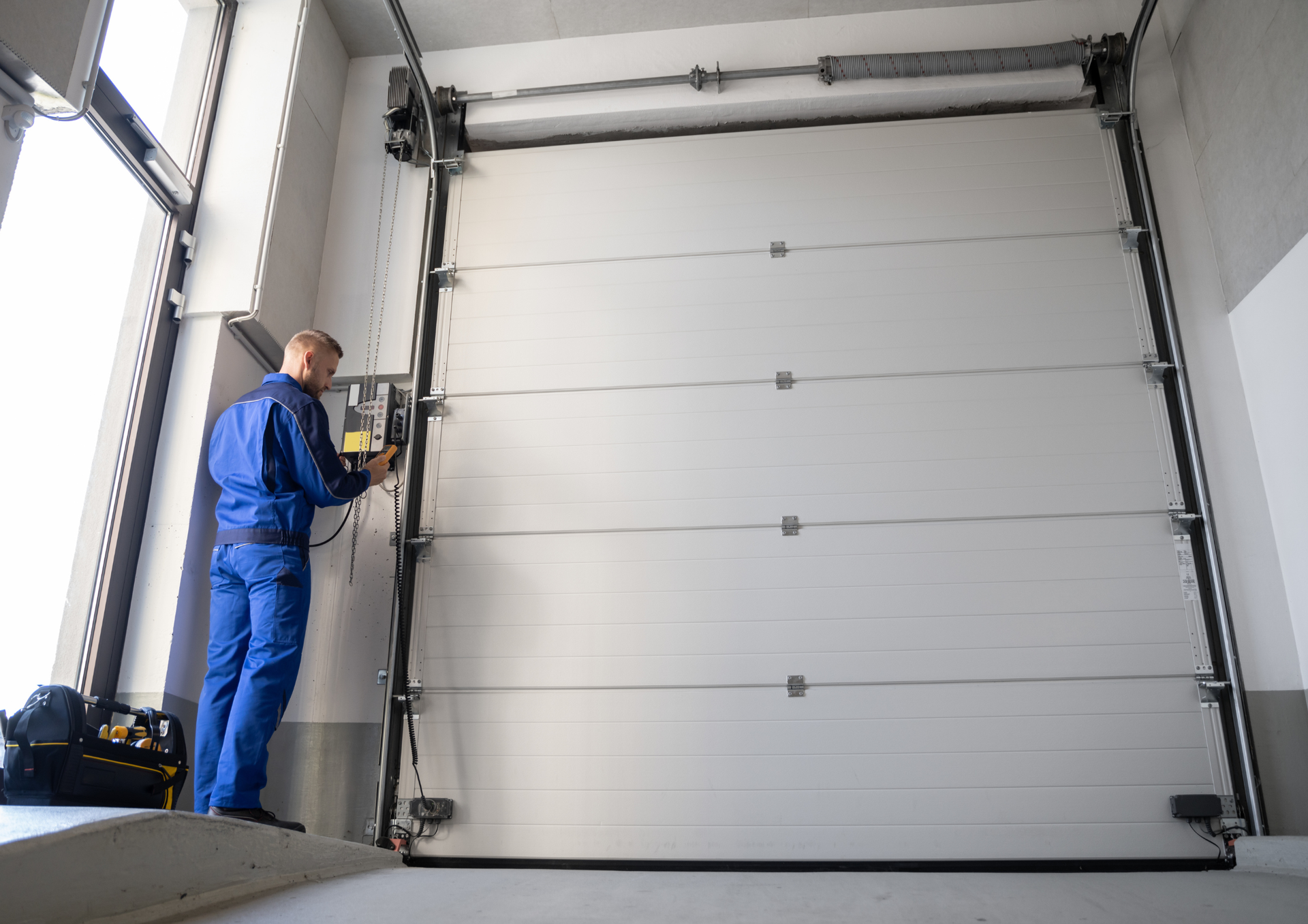
For electrically operated doors, the assessment may also involve checking the motor, controls, sensors and power supply. A door that fails to respond does not automatically mean the motor has failed. Sensor alignment, controls or another part of the system may be responsible.
A professional 24 hour garage door service can also help determine whether the door should remain out of use while work is arranged. This can be particularly useful when a fault occurs late at night, during a weekend or at another inconvenient time.
Property owners can make the process easier by providing clear information when requesting assistance. Useful details can include the type of garage door, whether it is manually or electrically operated, what happened when the fault occurred and whether the door is currently open, closed or partially open.
It is also important to keep the immediate area clear. Children, pets, tenants, employees and other building users should not stand beneath or close to a door that appears unstable. Vehicles should also be kept away where practical until the system has been assessed.
Professional attention can be particularly important when springs or cables are involved. These components help manage the considerable weight of the door and may remain under tension even when the system is not moving. Attempting DIY adjustments without the correct knowledge can create unnecessary risk.
Reducing Disruption and Dealing With Future Garage Door Faults
Although some faults occur without much warning, regular observation and sensible maintenance can make developing problems easier to identify. Property owners do not need specialist knowledge to notice changes in the way a door operates.
Pay attention to how smoothly the door opens and closes. Movement should generally remain controlled and consistent. If operation gradually becomes slower, noisier or less even, arranging an assessment before complete failure can reduce disruption.
Visual condition also matters. Damaged panels, loose-looking components, worn weather seals or tracks containing debris can indicate that attention is required. Keeping the operating area reasonably clean and free from obstructions can support normal use, although mechanical adjustments should still be left to suitably experienced technicians.
For landlords and organisations responsible for multiple properties, keeping basic maintenance records can be helpful. Recording previous faults, repairs and inspections provides useful background information when a new issue develops. This can also help identify doors that are experiencing repeated problems.
Commercial doors may require particular attention because they can operate more frequently than those at residential properties. Repeated daily opening and closing naturally places wear on moving components. Changes in performance should therefore be investigated rather than treated as a normal consequence of frequent use.
Homeowners can also familiarise themselves with the basic operating instructions for their particular system. Knowing how controls normally function and understanding the manufacturer's guidance can make it easier to recognise abnormal behaviour. However, manual release mechanisms should only be used when it is safe and appropriate to do so, particularly if there is any possibility that a spring or cable has failed.
There are circumstances where emergency garage door repair becomes appropriate, particularly when the door appears unstable, cannot secure the property, blocks essential access or creates a potential hazard. Prompt professional assessment can establish what has failed and what steps are required to restore safe operation.
Preventative attention cannot eliminate every unexpected breakdown, but it can help reduce the likelihood of minor wear progressing unnoticed. Responding to early warning signs is usually preferable to waiting until the door becomes completely unusable.
An unexpected garage door fault can affect far more than convenience. Depending on whether the door is stuck open, closed or partially raised, the problem may interfere with property security, vehicle access and the normal use of residential or commercial premises.
The safest response is to avoid forcing a faulty system and keep people away from any door that appears unstable. Simple observations can help identify what has happened, but springs, cables and other tensioned components should not be adjusted without suitable expertise.
When a problem occurs outside normal working hours and cannot reasonably wait, 24 hour garage door repair can provide access to professional assessment when it is needed. Acting appropriately can help prevent additional damage while allowing the underlying cause of the fault to be properly identified.
Garage Door Repair Leeds provides clear and practical information for homeowners, landlords, surveyors, local authorities and those responsible for residential or commercial premises in Leeds and surrounding areas. Our website helps visitors understand common garage door problems, recognise situations requiring professional attention and make informed decisions about the next steps.
We focus on straightforward guidance without unnecessary claims or confusing technical language. Whether you require 24 hour garage door repair following an unexpected fault or simply want to understand the signs of a developing problem, our website provides useful information to help you approach the situation safely and confidently.
Check out our latest X update on why homeowners may need
24 Hour Garage Door Repair after unexpected garage door faults!
You might also like